
The Majestic Andalusian Horse: A Comprehensive Guide
- Bryan Gonzalez

- Sep 27, 2025
- 6 min read
Renowned for its baroque elegance and versatile athleticism, the Andalusian horse combines striking conformation, intuitive temperament, and expressive movement into a singular breed profile. This article reveals the distinctive physical characteristics, unique personality traits, remarkable gaits, essential health considerations, and the historic origins that shape Andalusian horse characteristics. Readers will gain immediate insights into anatomy, behavior, performance, wellness factors, and lineage influences that define this noble saddle horse.
Distinctive Physical Characteristics of the Andalusian Horse
Distinctive physical characteristics in the Andalusian horse stem from a balanced combination of strength and refinement that delivers both aesthetic beauty and functional power. These traits underscore why this breed excels under saddle and in hand, linking structural elegance to performance potential.
How Does Andalusian Horse Conformation Define Its Elegance and Strength?

Andalusian conformation features a sculpted head, arched neck, deep chest, and powerful hindquarters that enable both collected movement and impulsion.
Key Conformation Elements:
Sculpted Head: The head profile features expressive eyes that enhance communication.
Muscular Neck: A gracefully arched neck supports collection and balance.
Broad Chest: Well-sprung ribs provide cardiovascular capacity and endurance.
Strong Hindquarters: Sloping croup drives impulsion and elevation.
These conformation points create a harmony of form and function that sets the stage for refined movement and versatile performance.
Common Coat Colors and Markings of Andalusians
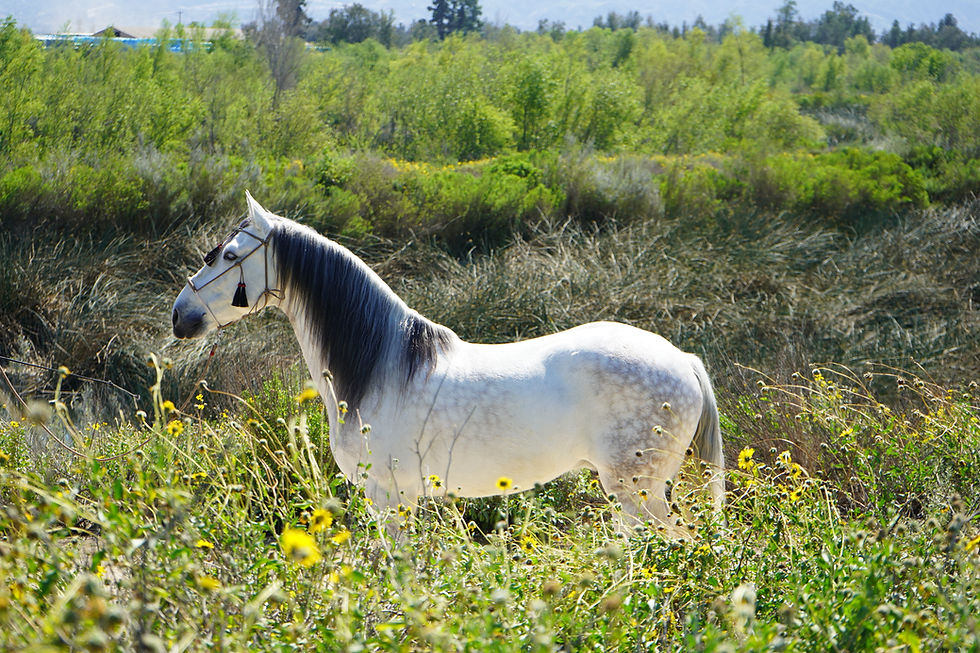
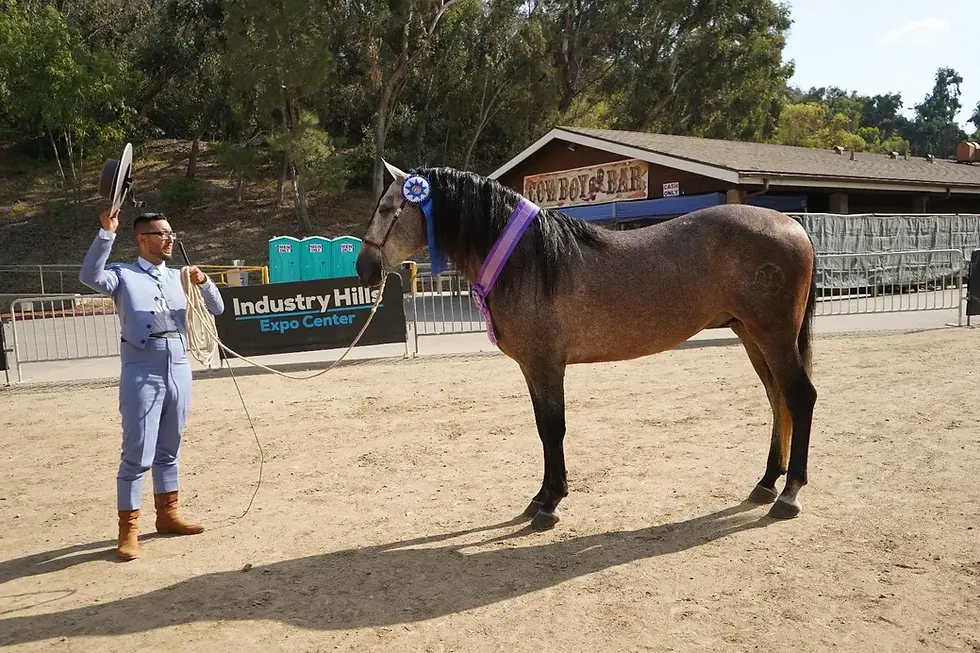
Andalusians present a limited palette of striking coat colors—primarily gray, bay, black, and chestnut—that highlight their baroque silhouette.
Typical Color Distribution:
Gray: Dominant in about 80 percent of mature Andalusians, often lightening with age.
Bay: Rich reddish-brown bodies with black points and mane.
Black: Solid black coats that underscore muscular definition.
Chestnut: Coppery red hues with matching mane and tail.
These coat variations pair with minimal white markings—usually stars or small blazes—preserving a classic, refined appearance that transitions seamlessly into performance arenas.
Typical Size and Weight Range of Andalusian Horses
Andalusians typically stand between 15 and 16 hands (60–64 inches) and weigh 900–1,100 pounds, striking an ideal balance between size and agility.
Size & Weight Standards:
Height: 15.0–16.0 hands for mature horses, with stallions often at the upper end.
Weight: 900–1,100 lbs., reflecting dense musculature and bone structure.
This moderate stature supports nimble agility under saddle while delivering the presence demanded by classical dressage and show performance.
Andalusian Horse Breed Guide
Andalusian horses typically stand between 15 and 16 hands high and are known for their excellent dispositions, with a noble, docile, and energetic temperament. They are also praised for their generous natures and willing work ethic, making them popular for many riders. This source supports the article's description of the Andalusian horse's temperament and physical characteristics.
Temperament and Personality Traits of Andalusian Horses
Temperament refers to innate behavioral qualities, and Andalusians are celebrated for intelligence, sensitivity, and willingness that foster remarkable trainability and partnership.
How Does the Andalusian Horse’s Intelligence Influence Its Trainability?
The Andalusian horse’s intelligence manifests in rapid learning and problem-solving, enabling clear communication with riders and accelerated skill acquisition.
Intelligence-Driven Training Benefits:
Quick Pattern Recognition: Leads to efficient mastery of dressage movements.
Adaptive Responses: Allow seamless transitions between gaits and aids.
Keen Observational Skills: Foster a trusting bond and cooperative work ethic.
This cognitive agility paves the way for advanced dressage training and versatile riding disciplines.
Key Personality Traits: Docility, Sensitivity, and Willingness
Key personality traits of Andalusians combine a calm disposition, heightened awareness, and eager compliance that form an ideal companion horse profile.
Core Personality Attributes:
Docility: A composed nature that accepts handling and reduces spookiness.
Sensitivity: Acute responsiveness to subtle cues, enhancing rider communication.
Willingness: Motivation to engage and please, supporting consistent progress.
These qualities ensure that once physical conformation and intelligence are in place, the Andalusian’s cooperative spirit completes a comprehensive performance package.
Movement and Athleticism of Andalusian Horses
Andalusian horses move with elevated, rhythmic gaits that blend suspension and collection, offering both expressive showmanship and practical athleticism.
Signature Gaits and Collection Abilities of Andalusians

Andalusians display four natural gaits enhanced by an innate ability to collect, demonstrating power in every stride.
Signature Gaits & Collection:
Walk: Ground-covering steps with a steady four-beat rhythm and active hocks.
Trot: Medium trot with notable suspension phases and uphill engagement.
Canter: Balanced three-beat canter exhibiting uphill carriage and responsiveness.
Passage & Piaffe: Elevated, in-place movements showcasing supreme collection.
This gait spectrum underpins the breed’s suitability for high-level dressage and varied riding disciplines.
Why Are Andalusians Renowned for Their Dressage Prowess?
Their natural uphill balance, elastic joint action, and trainable mind make Andalusians ideally suited for dressage, where precision and harmony are essential. Elite Andalusians display seamless transitions, fluid lateral work, and expressive collection that align perfectly with dressage requirements.
Health Considerations for Andalusian Horses
Several health considerations, notably Equine Metabolic Syndrome and melanoma susceptibility, directly influence care protocols to maintain peak condition and longevity.
What Is Equine Metabolic Syndrome and How Does It Affect Andalusians?
Equine Metabolic Syndrome (EMS) is a disorder of insulin regulation that predisposes Andalusians to obesity and laminitis if not managed with diet and exercise.
EMS Factors and Management:
Insulin Resistance: Elevated insulin response to sugars.
Obesity Tendency: Easy-keeper metabolism requiring controlled forage.
Laminitis Risk: Inflammation of hoof laminae linked to metabolic imbalance.
Effective management combines low-sugar feed, consistent turnout, and structured exercise to mitigate these risks.
Equine Metabolic Syndrome
Equine Metabolic Syndrome (EMS) often affects breeds like Andalusians, predisposing them to obesity and laminitis. This syndrome is characterized by insulin resistance and abnormal fat deposits. This source supports the article's discussion of Equine Metabolic Syndrome and its impact on Andalusian horses.
Why Are Gray Andalusians Prone to Melanoma?
Gray Andalusians often carry genetic markers that lead to benign but progressive skin tumors, usually appearing under the tail and around the head in mature horses. Early detection through routine skin checks and veterinary monitoring helps manage tumor growth and maintain comfort.
Melanoma in Horses
Melanoma is a common skin cancer in gray horses, with an incidence rate of about 80% in gray horses over 15 years old. These tumors stem from melanocytes, the pigment-producing cells in the horse's body. This citation provides information on the prevalence of melanoma in gray horses, which is relevant to the health considerations discussed in the article.
The History and Origin of the Andalusian Horse
Origin and selective breeding in the Iberian Peninsula, coupled with preservation by Carthusian monks, instilled both the physical refinement and noble temperament characteristic of modern Andalusians.
What Role Did the Iberian Peninsula and Carthusian Monks Play in Breed Development?
The mountainous terrain and Moorish influences on the Iberian Peninsula produced horses with robust health and agile movement, while Carthusian monks maintained pure bloodlines that emphasized elegance, intelligence, and steady temperament over centuries.
Andalusian Horse History
The Andalusian horse originated on the Iberian Peninsula and has been a distinct breed since the 15th century. It was prized by Spanish nobility and used in warfare and dressage. This source provides historical context for the Andalusian horse, supporting the article's section on its origins and development.
How Have Andalusian Bloodlines Influenced Other Horse Breeds?
Andalusian bloodlines contributed to the development of Lipizzaners, Friesians, and various American breeds by imparting elevated gaits, refined conformation, and cooperative temperaments that continue to enrich equine performance worldwide.
Conclusion: The Enduring Legacy of the Andalusian Horse
Andalusians represent a holistic blend of physical beauty, cognitive acuity, and expressive athleticism forged by centuries of selective breeding and refined by historic guardianship. Understanding these intertwined traits equips riders, breeders, and enthusiasts to appreciate the breed’s unique strengths and manage its care effectively.
Continued study of Andalusian genetics and movement science promises further insights into why this breed endures as a benchmark of equine elegance and versatility. Acknowledging health predispositions ensures better welfare and longevity, preserving the breed’s legacy for generations of riders to come.
About the Author

Bryan Gonzalez is a recognized expert in the field of Andalusian horses, with over a decade of hands-on experience in their diet, training, and breeding. His deep understanding of the breed's unique characteristics, temperament, and movement has made him a trusted voice among enthusiasts and professionals alike. Bryan's insights are invaluable for anyone looking to understand, care for, or train these magnificent animals.

Comments